


Anything that can be a video will be a video
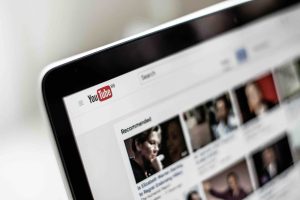
During the Web 2.0 Summit recently, the Mayor of San Francisco, Gavin Newsom, pointed out that one of the reasons the world is no longer the same is YouTube. For better or worse, said Mr. Newsom, we are now always on the record. Every significant and insignificant conversation is being recorded, and the videos are available on YouTube.
His co-panelist Joe Trippi, who was in charge of Howard Dean's presidential campaign, further explained that because of YouTube, we have now entered the age of transparency. Joe argued that because we are always on record, the only sensible thing to do is to tell the truth. The panelists agreed that YouTube, and the online video movement, is fundamentally changing our society.
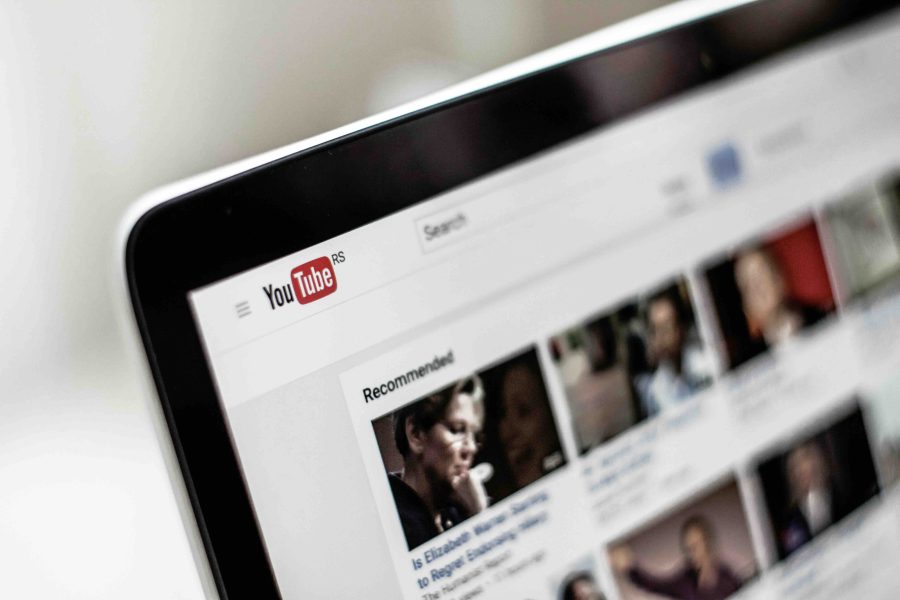
The panel was indeed thought provoking, but there was another conversation at the Summit that got me thinking that the second largest search engine may be on its way to becoming the largest.
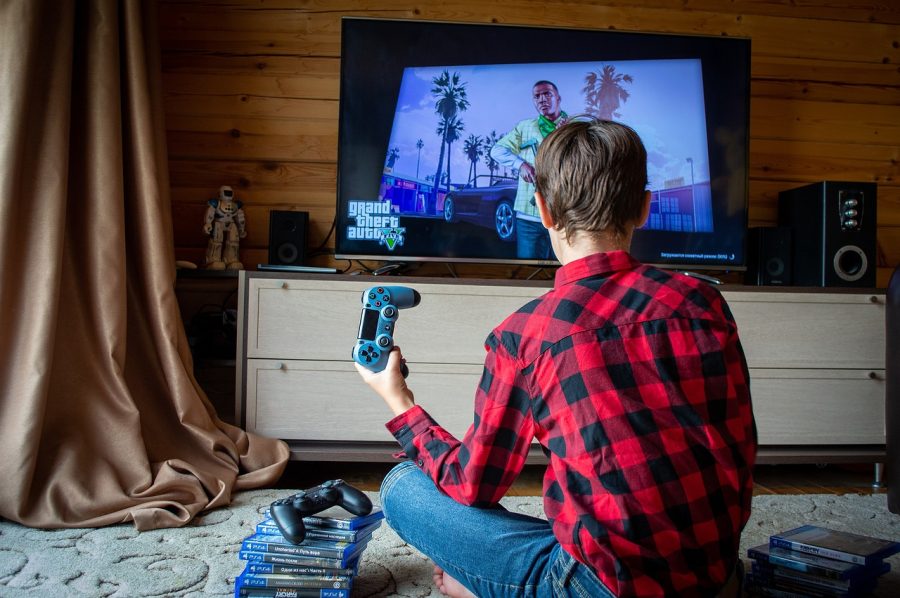
During one of the conference breaks, I met Ian Kennedy, one of the heads of Service Innovation at Nokia. (You've seen a lot of Ian around the web because he used to be the product manager for MyBlogLog at Yahoo!.) Ian and I started talking, and he mentioned that his son accesses the web through YouTube. At first, I didn't get it and thought Ian was making a joke.
But then I realized he was not. Whenever his son needed any information, he would open up YouTube, type in the search term and then just watch the videos that showed up as matches. He never Googled anything; he never went to any other site; his entire web experience was confined to YouTube videos. It was rather puzzling, I thought. Could it be that there are YouTube videos on any topic? My curiosity was piqued, and I decided to run a little experiment.
To get an idea, I ran several different searches:
Like any search engine, YouTube is not perfect. In general, short queries on generic topics, like Astrophysics, do not work very well. Somewhat surprisingly, George Washington and Chicken Noodle Soup do not yield good results either. But some searches do work very well. Ian said that his son frequently searches for episodes of Bakugan, which come up perfectly. Another likely search for a 9-year-old, Lance Wataru (a Pokemon character), works well, too. More specific searches, such as Donkey from Shrek, work even better.
I walked away with the impression that we are not quite there yet, but was intrigued. Clearly a lot of things lend themselves to video, not just movies and music clips, but educational videos, tourism and a lot of other things. If video content continues to grow, could video eventually replace text?
Most likely not. The main reason that text rules the web today is because of hyperlinks. Linking pages via text links is what makes the web possible. Hyperlinking videos would be a harder thing to do. Not impossible, of course, because you can link objects and insert text in videos, but it's just not as elegant as text. Besides the linking issue, not everything would be an effective video. For example, a research paper could be made into a video but would not be as easy to follow as the text.
But there is definitely a shift. Because video was not possible before, the web was dominated by text. Now that video cameras and broadband are cheap, information that is better served by video is getting converted. As a result, YouTube is now the second largest search engine, and traffic is through the roof. And because kids like Ian's son are video natives, this is just the beginning.
Imagine a whole generation of kids growing up and learning about the world through YouTube. In the first half of the 20th century, people grew up reading books and newspapers. Then there was a generation that grew up on movies and television. The last shift was to the Internet. And now web video is creating yet another generation.
Kids no longer learn about the world by reading text. Like the television generation, they are absorbing the world through their visual sense. But there is a big difference. Television was programmed and inflexible. YouTube is completely micro-chunked and on demand. Kids can search for what they need anytime. This is different, and powerful.
True, the current model of YouTube is still raw and still skewed to entertainment. But imagine online video 5 years from now, geared to kids, where entertainment, games, education, travel -- everything for kids -- is mixed and delivered via searchable channels. This would be a big change on the Internet and in the world. Just as we no longer think twice about Googling, kids of the future will be consuming huge volumes of information via video.
And now tell us your stories. Are you seeing your kids use video more than text? Do you yourself use YouTube to find information? Let us know. We want to hear from you!
Comments
Subscribe to comments for this post OR Subscribe to comments for all ReadWriteWeb posts
Very interesting article. Thank-you. For the moment, I'll continue to "Google it" before I "YouTube it".
Posted by: James Hoang
|
November 18, 2008 4:25 PM
Is the writer of this article aware that Google owns YouTube?
Posted by: Jason Kaneshiro
|
November 18, 2008 4:36 PM
+1 Jason!
Posted by: Susan Beebe
|
November 18, 2008 4:38 PM
Excellent. We are testing YT PPC and it works well. Those who say Google can't monetize miss the boat! it's more than just pre-roll!
Posted by: Alan Edgett
|
November 18, 2008 4:39 PM
...exactly Jason!
Posted by: ♣genieyclo♣
|
November 18, 2008 4:41 PM
@jason
He's not making a comparison of Youtube vs. Google as competing companies. His point is there's a growing number of people searching for information through video first rather than text.
It's an interesting concept and one that I never would've imagined.
Posted by: chris | November 18, 2008 4:47 PM
Jason, Susan: But this is a phoneme for video technology and its vision. Video/text evolution in this writing seems to me like TV/radio at past.
Posted by: Erhan Erdogan
|
November 18, 2008 4:47 PM
Alex,
Thanks for this post. I have seen several different perspectives on the same theme today: as bandwidth increases and video quality on the Web improves, people expect to see video, and if it's available, they are more likely to watch it than to spend time reading or looking for other sources of information. Given that just about everyone seems to be reading less overall these days, this makes perfect sense.
The nature of search results will change accordingly. Your example of the boy who uses YouTube to search for -everything- is perfect. And search engine optimization and online marketing will have to adapt.
The lack of results you found on YouTube for "Chicken Noodle Soup", "George Washington", "Astrophysics", etc., may be a sign that not everyone has realized the importance of video for getting the word out about something. But it may also be due, at least in part, to the fact that most people posting videos on YouTube are not very concerned about writing detailed, search-optimized titles and descriptions for their submissions. This turns out to be a good thing - for now anyway - for those of us who do take the time to optimize these things.
Posted by: Mark McLaren | November 18, 2008 5:21 PM
I like the overall point, but there is too much faith in the capability of an individual to produce video worth watching / searching for. In many cases, a video may also be information overkill.
Posted by: Brandon J. Mendelson | November 18, 2008 6:46 PM
Absolutely my 8 year old son searches YouTube before google and i actually hear him mention YouTube in conversation quite a lot. Bizarely last night i heard him ask a friend if she knew "the artist werid al yankovic", when she said no he said "well he is a very famous YouTube artist" you should totally YouTube him.
Posted by: MR | November 18, 2008 7:02 PM
Disappointing Alex. The tendency to always see things as A vs B and ask "will A Replace B"? places unnecessary limits on the question. The future will be far more interesting than a simple binary change from text to video.
Video won't replace text, nor does an anecdote about a single 9 year old mean much. Video is important and will become more so, but not as a standalone site ala Youtube but as a component of complex pages.
The 9 year old kid can just search Youtube because it has what he wants and his wants are probably pretty simple - he's 9 after all. Imagine that kid 10 years from now in college. He wants to make... roast chicken. What he needs is a recipe... but the web can provide much more than that. What should come up in a search are pages with great recipes AND that contain videos showing how to make it. The video doesn't replace the text, but supplements it. It's one thing to say 'truss the chicken' but having a video there that shows you how to do that is much more valuable. Now add in the ability to integrate that recipe with other apps (online grocery, etc). Similarly a search for George Washington might go to a site that has text but also photos of important sites in his life and perhaps videos of scholarly proceedings or fictional reenactments.
That's much more likely the future and, while I'm sure we'll see people use Youtube as a search engine, video just isn't the only way most people want to get information. That's the point - there IS no one way, but a myriad of ways most of which will combine the basic components of text, video, animation, sound and still pictures. Give me a search engine that ranks that kind of information correctly.
Posted by: rick | November 18, 2008 7:08 PM
That's good point raisen ,You Tube will never become a search engine like Google,Its that point raised will text will be replaced by videos may be not.We should also consider this ,kids brings new things to our vision as about Googling from you tube.
Posted by: venkat | November 18, 2008 8:05 PM
but youtube is not making money for google actually it is eating up the Google money. if the slowdown goes for more then 2 years then they might look for some innovative ideas to get money from YouTube.
Posted by: Ajay Pathak | November 18, 2008 9:56 PM
One thing to consider is the fact some people can absorb information a lot faster by reading. (Especially technical/science related). In that sense, I would imagine a world more twitter centric where instead of google individuals will simply send a question through twitter and get a sets of responses back.
Posted by: plin | November 18, 2008 10:42 PM
I wrote a post confirming what you say is true (http://www.webmetricsguru.com/archives/2008/11/is-youtube-video-search-gradually-replacing-textual-search/).
In fact, youngsters between the ages of 9-14 increased there usage of YouTube by 500% while increasing their usage of Google Search by only 49%.
Thanks for a great post that also made me chuckle a few times - maybe I should stop using Google and go over to YouTube for a week - maybe the information I get in videos will be better than the the text based information I get out of Google.
Posted by: Marshall Sponder | November 18, 2008 10:49 PM
My little brother can't read. But he always asks me to write certain tag-words on a sheet of paper, so that he can youtube the words! It's so interesting to watch somebody surfing through the internet, although he is unable to read.
Posted by: Vincent Hiver | November 19, 2008 2:37 AM
@ Venkat, Jason, Rick et al: It's still an interesting observation. This might become the norm, especially in countries with a good bandwidth availability.
Posted by: Joy-Mari Cloete
|
November 19, 2008 3:40 AM
As Humans have always been great imitators and spectators, VIDEO content and VIDEO search will be leaders for the following categories:
- HOW TO ?
- ENTERTAINMENT
- LOOK AT ME (MY FRIENDS, MY FAMILY)OR LOOK AT THIS
Posted by: Jac | November 19, 2008 3:43 AM
Just tested it for "Studebaker".. Figured there would likely be a few.. YouTube said it had "about 1,100"..
Back in approximately '97, surely no later than mid-'98, the entire Web had only 300 webpages *total* that would come back to, crum, I want to say "Google" searches..
Cyber hugs from North Georgia.. :)
PS Was Google even around then..? :))
PPS Found out from *that* YouTube search just now that there's a nationwide Drive Your Studebaker Day on the Fourth of July, 2009.. *NEVER* would have known.. Too funny..
Posted by: Cindy Sue Causey | November 19, 2008 4:57 AM
Difference between text and video
Copy/pasting a short part of a text is easy: allows to making a summary.
As long we cannot copy/paste parts of a video we cannot make a mash up ourselves for creating a short message.
Thus current uses and purposes are different.
Posted by: Engago Team | November 19, 2008 5:35 AM
I don't think that video will replace text, but it will certainly add another level of interaction to the web. There are many details that require some thorough polishing, but the core is there and we all can see it.
Posted by: VideoEditing | November 19, 2008 6:07 AM
Junk in Junk out...I say be careful what you put inside your mind. Youtube just makes it easier to put more junk in and we will probably see a generation of kids hooked on video.
R
Posted by: Richard | November 19, 2008 6:22 AM
I teach a course in business Management, and I have used YouTube videos to supplement my lessons. There is a great assortment of education videos to choose from. My students really enjoy the variety the videos bring into the class.
Posted by: Natasha Baker | November 19, 2008 9:58 AM
this has been obvious for a while, and google have always known this. for google it is just another, richer and different search experience.
comparisons made (like by Mark Cuban) with Hulu are stupid. His myopic view is blinkered through lens of rev models. YT and Hulu are apples and pears (this will become glaringly obvious in a few years).
YT was always about creating another contextual semantic layer that anyone (society) could benefit from and create super-charged value. the video version of wiki -- is one way to think about it.
All google had to do was wait (for the backfill).
i have to admit. looks like the experiment is about to work.
hat tip to google.
well done
Posted by: ray | November 19, 2008 11:47 AM
Alex,
Although I don't think that video will ever replace text, there's no doubt that video is going to gain huge ground in the next 5-10 years and, supplement a lot of our common text-only activities. We've already started seeing the rise of video blogging as well as "video comment" options on popular blog commenting platforms like Disqus. Video services like Vimeo combine the two so that people can comment on videos...there's a lot of blending going on...and there's no doubt that as internet goers become more comfortable with Video over text, the democratization of video capture technologies will likely lead to a substantial increase in video based user generated content. Specializing in search for video content will definitely be big business.
Of course, it won't replace text overall. It will only be a pervasive supplement for people who prefer video as a medium over text. One thing's for sure - Ian's kid won't be alone. There will be millions of people that start to go to video first before a text sea
Posted by: Steffan Antonas
|
November 19, 2008 3:31 PM
Yes!I think that the possibility that there will be screens available on all sorts of devices/objects (body parts??)-iphones currently leading the possibilities-particularly podcasts but vodcasts too.
Beaut reminder! Thanks, Ruth
Posted by: Ruth Howard | November 19, 2008 6:47 PM
very interesting. thanks. my 6 yr old only uses YT.
Posted by: tclimb | November 19, 2008 9:36 PM
i often find youtube or similar video search n streaming services good for looking at reviews of mobile phones or other gadgets for example. its not the same as seeing the screenshot in the product specification page. and watching a couple of videos about a phone model. it really helps to decide.
Posted by: Diabolic Preacher | November 20, 2008 1:20 PM
My young son uses both Google and Youtube, which is fine to a certain extent. But as a parent it is my role to ensure that he learns some other research skills as well, because relying entirely on the Web as a source of truth and knowledge is a risky strategy.
So at 8 years old, it turns out he is one of the few kids in his class at school who knows how to use the bibliographic index at our local library.
Notwithstanding those concerns I was recently involved in organising an event in New Zealand in which we recorded presentations by local technology entrepreneurs and posted them on Youtube.
http://www.youtube.com/UPW2W
Being geographically distant from the major consumer and capital markets creates a huge challenge for our entrepreneurs. But by utilising Youtube as a channel we can share some of our good ideas with the world.
Posted by: Paul Spence | November 22, 2008 4:20 PM
really helps to decide
Posted by: türkçe mirc | November 24, 2008 4:42 AM
Get over this already, Google is and will be the biggest online for some decades.
http://twitter.com/rizzy81
Posted by: rizzy | November 27, 2008 7:00 AM
i most time prefer text than video, and never use youtube to search information. seem like new generation love video, let use see what will happen in the next few year
Posted by: dev | November 29, 2008 12:31 AM
I do believe that no one or nothing can beat Google! Maybe YouTube will just be the 2nd from Google but replacing Google?! Nah..
Posted by: Pacquiao VS De La Hoya Live Video Streaming | December 2, 2008 11:04 PM
The attendance of Youtube as a self-contained search engine is scary for those of us in ecommerce currently without a library of video promoting our products. It seems clear to me that emarketers moving forward must integrate video targeted to youtube with their online marketing plans.
Posted by: Joe | December 4, 2008 8:25 AM
Google is the next Google and ((( show + tell ))) is the way forward and a personal modus --- clearly not here because I can't attach a picture to this comment unlike on Ning, :*).
A picture says 1,000 words but text, charts, voice and touch are all needed in our natural search, discovery and understanding processes.
The current limitation with YouTube and all other Flash/Sorensen video types is that there are very few companies which can provide comprehensive transcripts of the video and, therefore, granular search terms in a library --- with possibly the exception of blinkx.
Even the recent Adobe strategic alliance with Google and Yahoo! to make flash files more searchable doesn't extend to transcripting every video posted on YT so that we can, for example, search for the key phrases and gold nuggets in a 10 minute video.
Until that happens, text search and Google will remain dominant.
Also if we look at what Google is doing in Google Docs and Google Knol we gain more insight into Google's search and content integration, and they're deploying some smart AI and semantics there.
Posted by: Twain | December 5, 2008 4:51 PM
A friend of mine has a 12-year-old niece. He was visiting her family recently, and the girl "went upstairs to listen to music." My buddy went up to see what she was listening to, and she was "listening to music" on YouTube. Apparently, that's her go-to space for music.
Lots of interesting things to consider, I think. As late as the 80's, music was often front and center, something to focus attention on and derive mucho entertainment from. Throughout the 90's and into this decade, music has become ambient background for visual mediums like movies, TV, commercials, and obviously games.
Now, with 12-year-olds "listening" to music on YouTube, the visuals are becoming ambient as well. I tune in, I tune out. Sometimes I look, sometimes I listen, sometimes both simultaneously.
Advertisers really won't be able to count on eyeballs all the time, and more and more product and service messages will be sneaking into mainstream music. Imagine Beyonce singing a tune where she drops a line about shopping at Express. Not impossible to imagine, is it?
Posted by: Jeff Miller | December 8, 2008 6:33 AM
I like the overall point, but there is too much faith in the capability of an individual to produce video worth watching / searching for. In many cases, a video may also be information overkill.
Posted by: sohbet odaları | December 10, 2008 5:44 PM
great article
Posted by: Peter Clarck | December 12, 2008 10:14 AM