






Latest News

Cities Skylines II DLC now wrecks the main game, fix will take weeks
The first premium DLC expansion for Cities Skylines II continues to be an embarrassment for Colossal Order’s otherwise leading city building series. Already the developer and publisher Paradox Interactive decided to pull the DLC from sale and issue refunds to any who bought it. Now, it seems that a title update coping with the removal…














Most Popular Stories
Artificial Intelligence


Google AI Gemini to receive real-time responses in app

Ali ReesTech journalist


Cryptocurrency

BlackRock’s IBIT achieves 70-day inflow streak milestone
BlackRock's spot Bitcoin exchange-traded fund (ETF), IBIT, has achieved an impressive milestone by registering net inflows for 70 consecutive days. This achievement places the fund among the top 10 exchange-traded funds with the longest daily inflow streaks in history, tying...

Radek ZielinskiTech Journalist




Entertainment




Technology

Microsoft launches its smallest AI model yet: Phi-3 Mini
Microsoft has launched its smallest AI model yet, Phi-3 Mini, the first of a trio of lightweight models. With more and more AI models coming onto the market, Microsoft is journeying into models that are trained on smaller-than-usual datasets. The...

Rachael DaviesTech Journalist
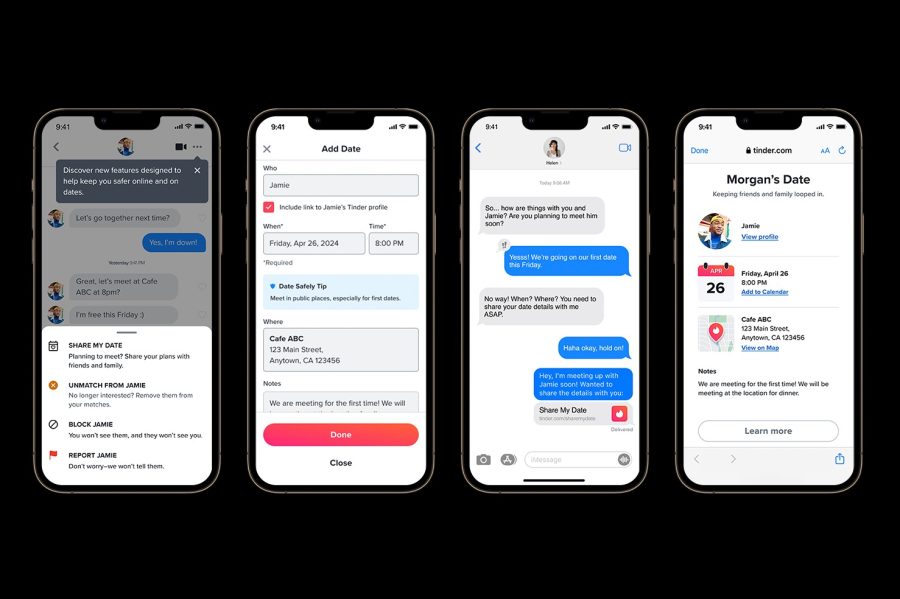
Tinder’s new ‘Share My Date’ feature explained
Ali ReesTech journalist


European Union launches another TikTok probe
Ali ReesTech journalist

AR / VR

Smartphones



We are an award-winning tech website where trusted research and expert knowledge come together
Since 2003, we have helped millions of people learn how to solve tech problems large and small. We work with credentialed experts, a team of trained researchers, and a devoted community to create the most reliable, comprehensive and delightful content on the Internet.

1M
Monthly Readers1.4M
Followers on X35K
ArticlesTrusted
for 20 years5000+
research hrs100+
EXPERT CONTRIBUTORS







Popular Topics



Get the biggest tech headlines of the day delivered to your inbox

Explore the latest in tech with our Tech News. We cut through the noise for concise, relevant updates, keeping you informed about the rapidly evolving tech landscape with curated content that separates signal from noise.

Explore tech impact in In-Depth Stories. Narrative data journalism offers comprehensive analyses, revealing stories behind data. Understand industry trends for a deeper perspective on tech's intricate relationships with society.

Empower decisions with Expert Reviews, merging industry expertise and insightful analysis. Delve into tech intricacies, get the best deals, and stay ahead with our trustworthy guide to navigating the ever-changing tech market.