






Latest News
Nvidia-sponsored Synthesia reveals AI-generated “expressive avatars”
Synthesia has revealed a new range of artificial intelligence (AI) generated digital avatars which can portray human emotion based on text instruction. The London-based company has presented its "Expressive Avatars" to synergize real emotion in the virtual world with users able to create professional quality videos without cameras and microphones. Nvidia-sponsored Synthesia is said to…


















Artificial Intelligence

Drake faces legal action over AI diss track with Tupac

Sam SheddenExecutive Editor



Cryptocurrency

BlackRock’s Bitcoin ETF sees first day without inflows
BlackRock's iShares Bitcoin Trust (IBIT) has experienced its first day without any inflows since the introduction of Bitcoin (BTC) exchange-traded funds (ETFs) in the United States in January, Farside data shows. Since its launch on January 11, IBIT has consistently...

Radek ZielinskiTech Journalist




Entertainment



Technology

Nvidia-sponsored Synthesia reveals AI-generated “expressive avatars”
Synthesia has revealed a new range of artificial intelligence (AI) generated digital avatars which can portray human emotion based on text instruction. The London-based company has presented its "Expressive Avatars" to synergize real emotion in the virtual world with users...

Graeme HannaTech Journalist




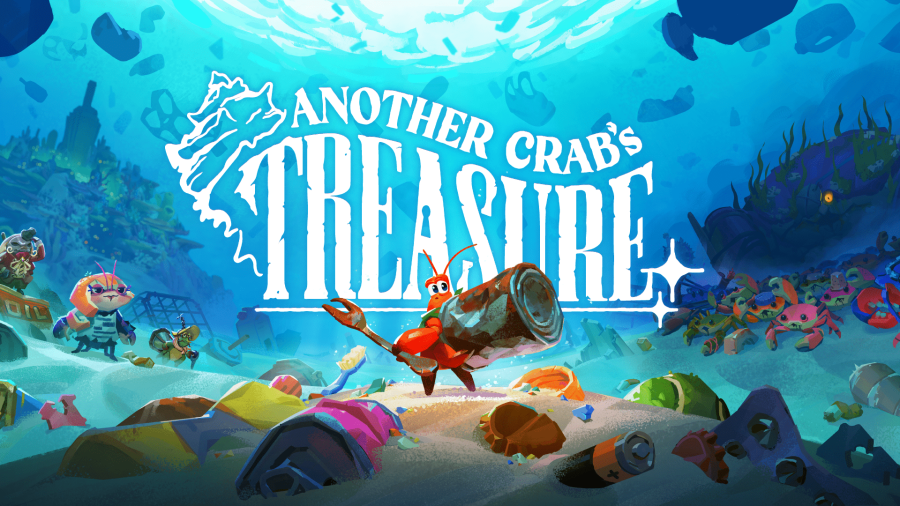
Review: Another Crab’s Treasure

Ali ReesTech journalist

AR / VR

Smartphones




We are an award-winning tech website where trusted research and expert knowledge come together
Since 2003, we have helped millions of people learn how to solve tech problems large and small. We work with credentialed experts, a team of trained researchers, and a devoted community to create the most reliable, comprehensive and delightful content on the Internet.

1M
Monthly Readers1.4M
Followers on X35K
ArticlesTrusted
for 20 years5000+
research hrs100+
EXPERT CONTRIBUTORS







Popular Topics



Get the biggest tech headlines of the day delivered to your inbox

Explore the latest in tech with our Tech News. We cut through the noise for concise, relevant updates, keeping you informed about the rapidly evolving tech landscape with curated content that separates signal from noise.

Explore tech impact in In-Depth Stories. Narrative data journalism offers comprehensive analyses, revealing stories behind data. Understand industry trends for a deeper perspective on tech's intricate relationships with society.

Empower decisions with Expert Reviews, merging industry expertise and insightful analysis. Delve into tech intricacies, get the best deals, and stay ahead with our trustworthy guide to navigating the ever-changing tech market.